Introduction: Why Expired Medicine Safety Matters in Every Indian Home
In my many years as a pharmacist, one common thing I see almost every day is people carrying old medicine strips, half-used syrups, and creams that expired long ago. Most Indian homes have a small medicine box where leftover medicines are stored “just in case.” People often believe that medicines should not be wasted and may come in handy later. While this habit comes from good intention, it can be dangerous.
Expired medicines are not just about dates printed on a strip. They are about safety, effectiveness, and health risks. Many people think, “I took this medicine before and nothing happened,” but problems caused by expired medicines are often silent and slow. Sometimes the medicine simply doesn’t work. Other times, it can worsen your condition or cause side effects.
As a pharmacist, my goal is to educate people, not scare them. This article explains expired medicine safety in very simple language so that every Indian family can understand why using old medicines can be risky and how to avoid common mistakes.
What Does an Expiry Date Actually Mean
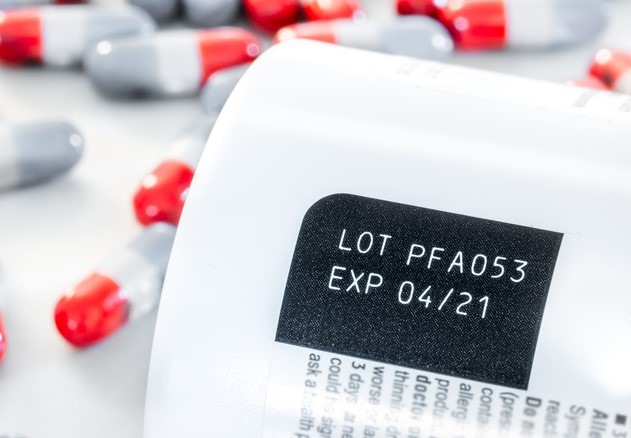
An expiry date is not just a random number printed by the company. It is decided after many laboratory tests that check how long a medicine remains safe and effective when stored properly. Up to the expiry date, the manufacturer guarantees that the medicine will work as expected and will not cause harm if used correctly.
After this date, the company no longer guarantees the medicine’s strength or safety. This does not always mean the medicine becomes poisonous the next day, but it may start losing its effectiveness. Some medicines break down slowly, while others spoil quickly, especially liquid medicines.
Many people believe expiry dates are only for business purposes. As a pharmacist, I can say this is not true. Medicines are sensitive to heat, moisture, and light. Over time, chemical changes occur that we cannot see with our eyes. That is why expiry dates should be respected. Ignoring them can lead to treatment failure, which is often more dangerous than side effects.
As a pharmacist, let me explain simply
- The expiry date is the time till the company guarantees:
- Full strength
- Safety
- Effectiveness
After expiry:
- Medicine may not work properly
- Some medicines can become unsafe
- Liquid medicines can spoil faster
So expiry date = guarantee period, not just a random number.
Are Expired Tablets and Capsules Safe to Take?
This is one of the most frequently asked questions at the pharmacy counter. Tablets and capsules are generally more stable than liquid medicines, but that does not mean they are safe after expiry. Over time, tablets slowly lose their strength. This means the medicine may not work properly even though it looks normal.
For minor issues like mild pain or fever, expired tablets may not cause immediate harm, but they may not give relief either. The real danger comes when expired tablets are used for serious conditions like blood pressure, diabetes, heart disease, epilepsy, or thyroid problems. In such cases, reduced potency can cause poor disease control and serious complications.
I have seen patients blaming their illness for not improving, when the real problem was expired medicine. Another important warning is antibiotics. Expired antibiotics should never be used because weak antibiotics can promote antibiotic resistance. As a pharmacist, I always advise patients: if tablets are expired and the illness is important, do not take chances-replace the medicine.
The honest pharmacist answer
Sometimes less dangerous, but not recommended
What happens to expired tablets?
- They slowly lose their strength
- They may not treat your illness properly
- In serious diseases, this can delay recovery
Real example from my pharmacy
A patient took expired BP tablets and wondered why BP was not controlled.
The problem was not the disease – the medicine had lost potency.
Never use expired tablets if
- Medicine is for heart, BP, diabetes, epilepsy
- Tablet has changed color, smell, or shape
- It is an antibiotic
Are Expired Syrups, Drops, and Suspensions Dangerous?
Expired liquid medicines are much more dangerous than tablets. Syrups, suspensions, eye drops, and ear drops contain water, which makes them a perfect place for bacteria and fungi to grow over time. Even before the expiry date, improper storage can spoil these medicines.
After expiry, preservatives in the liquid weaken, allowing germs to multiply. The medicine may look fine, smell normal, and still be unsafe. This is especially risky for children, as most pediatric medicines are syrups.
Eye drops deserve special attention. Using expired eye drops can cause serious eye infections, redness, burning sensation, and even damage vision. I have personally seen patients develop severe eye problems just because they used old eye drops kept at home.Also eye drops,ear drops should be used only two months after opening or breaking seale . After opening this drops will loose there sterility. Which may causes bacterial growth in such drops.
Cough syrups, antibiotic syrups, and vitamin syrups should also never be used after expiry. As a pharmacist, my strict advice is: never take expired liquid medicines, even if they expired recently. The risk is simply not worth it.
As a pharmacist, I strongly warn:
Do NOT use expired:
- Cough syrups
- Antibiotic syrups
- Eye drops
- Ear drops
Eye drops are especially risky
Expired eye drops can cause:
- Eye infection
- Redness
- Burning
- Vision problems
What About Expired Ointments, Creams, and Gels?
Many people believe that creams and ointments are safe even after expiry because they are applied on the skin. This is a common misunderstanding. Expired topical medicines can lose effectiveness and may cause skin irritation, allergies, or infections.
Antifungal creams may stop working and allow infection to spread further. Steroid creams can cause skin thinning and worsen conditions if their composition changes after expiry. Baby creams and diaper rash ointments are especially sensitive and should never be used after expiry.
As a pharmacist, I often see people using old creams for months without improvement and wondering why their skin problem is not healing. The reason is simple-the medicine has expired and is no longer effective. In some cases, expired creams can even worsen the skin condition. Always check the expiry date before applying anything on your skin.
Special warning
Do not use expired:
- Steroid creams
- Anti-fungal creams
- Baby creams
Children’s skin is very sensitive.
Are Expired Injections Ever Safe?
Simple answer: NO. Never.
Expired injections can be:
- Contaminated
- Ineffective
- Dangerous
As a pharmacist, I say clearly:
Expired injections should never be used under any condition.
Expired injections are extremely dangerous and should never be used under any circumstances. Injections go directly into the bloodstream or muscle, which means any contamination or chemical change can have immediate and severe effects.
After expiry, injections may lose sterility, become contaminated, or lose potency. This can lead to infections, treatment failure, or serious reactions. Unlike tablets, injections do not have a safety margin once expired.
As a pharmacist, my advice is very clear and strict: expired injections must be discarded immediately. There is no situation where using an expired injection is safe. Even healthcare professionals do not use expired injectable medicines.
Real Risks of Using Expired Medicines
The dangers of expired medicines are not always immediate, which makes them more risky. Some common problems I have seen include treatment failure, worsening of disease, unexpected side effects, and allergic reactions. In the case of antibiotics, expired medicines can contribute to antibiotic resistance, which is a serious public health problem in India.
Using expired medicines can also delay proper treatment. A patient may believe they are taking medicine correctly, while in reality, the medicine is not working. This delay can make the illness more serious and harder to treat later.
Children, elderly people, and patients with chronic diseases are at higher risk. Their bodies are more sensitive, and even small changes in medicine strength can have big effects. This is why expired medicine safety should never be ignored.
Let me clear some common myths:
Myth 1: “If it looks fine, it is fine”
Reality: Many harmful changes are not visible
Myth 2: “Expiry is just marketing”
Reality: It’s based on stability testing
Myth 3: “One or two days expired is okay”
Reality: Especially risky for liquids and antibiotics
How to Store Medicines Properly to Avoid Early Expiry
Proper storage plays a big role in medicine safety. Medicines should be stored in a cool, dry place away from sunlight. Heat and moisture can spoil medicines even before their expiry date.
Avoid storing medicines in kitchens, bathrooms, or cars. Always keep medicines in their original packaging and out of children’s reach. Good storage habits can help medicines last safely until their expiry date.
As a pharmacist, I always advise this:
Store medicines:
- Away from heat
- Away from sunlight
- In a dry place
- Out of children’s reach
Avoid:
- Kitchen storage
- Bathroom cabinets
- Car dashboards
Improper storage can spoil medicines even before expiry date.
How to Dispose of Expired Medicines Safely in India
Expired medicines should never be flushed down the toilet or thrown loosely in the trash. A safe method is to remove tablets from strips, mix them with used tea leaves or coffee powder, and seal them in a bag before disposal. This prevents accidental consumption by children or animals and protects the environment.
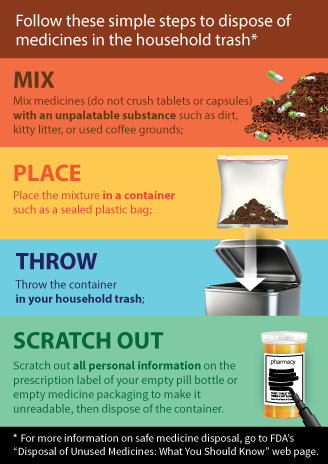
Safe disposal tips:
- Remove tablets from strips
- Mix with used tea leaves or coffee powder
- Seal in a bag before throwing
- Do not flush medicines in toilet
This protects:
- Children
- Animals
- Environment
Pharmacist’s Final Advice
As a pharmacist, my role is not only to dispense medicines but also to protect people from harm. Expired medicines may seem harmless, but they can silently affect your health. Always check expiry dates, store medicines properly, and when in doubt, consult a pharmacist or doctor.
Your health is more valuable than saving a few rupees on old medicines.
When You Should NEVER Use Expired Medicine
- It is an antibiotic
- It is an injection
- It is a syrup or drop
- It is for a child
- It is for a serious illness
When in doubt –ask a pharmacist. That’s what we are here for.
Frequently Asked Questions
Can I take medicine one day after expiry?
It is not recommended, especially liquids and antibiotics.
Are expired tablets less harmful than syrups?
Yes, tablets are generally less risky, but still not advised.
Do all medicines become toxic after expiry?
No, but many become ineffective or unsafe.