The Silent Pill ( Paracetamol ) in Almost Every Home
Paracetamol is not just a medicine; it’s a habit hiding in plain sight. Almost every home has it – in purses, drawers, office bags, and bedside tables. It has quietly become the first response to discomfort, not the last resort. Headache? Take one. Mild fever? Take one. Body pain after a long day? Take one. Over time, this casual relationship turns dangerous because familiarity lowers caution. We stop reading labels. We stop counting doses. We stop asking why the pain exists at all. This silence is what makes paracetamol powerful -and risky. It doesn’t shout danger. It whispers comfort. And that whisper is why many people don’t realize they’re slowly depending on it, day after day, without medical advice or awareness of long-term effects.
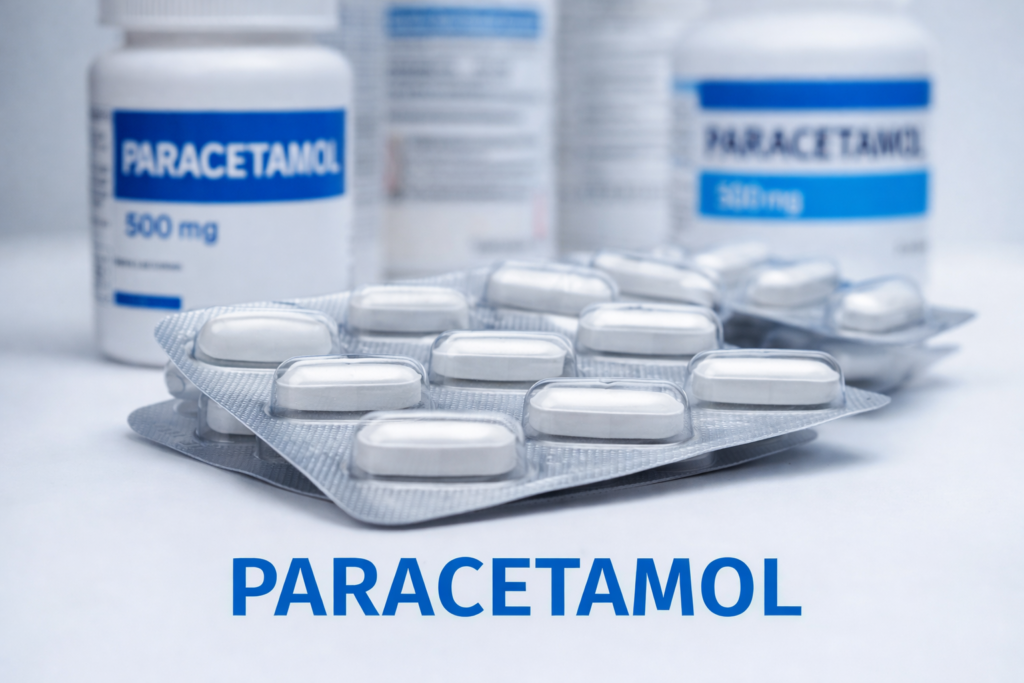
Table of Contents
- Why Paracetamol Feels “Harmless”
- The Shocking Rise in Daily Paracetamol Use
- Lifestyle Stress and the “Quick Fix” Culture
- Easy Availability Without Prescription
- Fear of Stronger Painkillers
- What Exactly Is Paracetamol?
- How It Works Inside Your Body
- What It Does NOT Do
- Why People Take Paracetamol Every Single Day
- Chronic Headaches and Migraines
- Body Pain, Back Pain, and Desk Jobs
- Fever Anxiety and Health Myths
- Emotional Pain and Comfort Medication
- Is Daily Paracetamol Use Actually Safe?
- The Safe Dose Explained Simply
- What Happens When You Cross the Limit
- Liver Damage – The Biggest Hidden Risk
- Kidney and Gut Concerns
- The Danger of “It Worked Yesterday” Thinking
- Tolerance and Masking the Real Problem
- Delayed Diagnosis of Serious Conditions
- Paracetamol vs Other Painkillers
- Why Doctors Still Recommend It
- Why That Doesn’t Mean It’s Risk-Free
- Warning Signs You Should Never Ignore
- Early Symptoms of Overuse
- When to Stop Immediately and See a Doctor
- Who Is at Higher Risk from Daily Use?
- Alcohol Users
- Elderly Patients
- People with Liver Problems
- Healthier Alternatives to Daily Paracetamol
- Lifestyle Fixes That Actually Work
- Non-Drug Pain Management Options
- The Emotional Truth About Pain and Pills
- What Doctors Want You to Understand
- Final Verdict: Should You Take Paracetamol Daily?
- Conclusion
- Frequently Asked Questions (FAQs)
1.Why Paracetamol Feels “Harmless”
Paracetamol feels harmless because it doesn’t punish you immediately. Unlike some painkillers, it doesn’t burn your stomach, cause dizziness, or knock you out. You take it, the pain fades, and life goes on. That smooth experience tricks the brain into believing it’s always safe. Add to that the fact that doctors often recommend it and pharmacies sell it freely, and the trust becomes absolute. But safety is not permanent – it’s conditional. Paracetamol is safe when used occasionally, at the right dose, for the right reason. When taken daily without supervision, its “gentle” nature becomes deceptive. Like sugar in tea, you don’t notice the harm building up – until it’s already there.
2.The Shocking Rise in Daily Paracetamol Use
Daily paracetamol use is rising because modern life is painful in subtle ways. Stress headaches, screen fatigue, poor posture, lack of sleep – these don’t feel like medical problems, so people don’t seek medical solutions. Instead, they self-treat. Paracetamol becomes the emotional bandage for a lifestyle that never slows down. The rise isn’t driven by severe illness, but by everyday discomfort we refuse to address properly. It’s also fueled by fear- fear of stronger medicines, fear of doctors’ visits, fear of discovering something serious. So people choose the “safe” option repeatedly. What starts as convenience slowly becomes dependence, and the line between occasional use and daily habit disappears quietly.
Lifestyle Stress and the “Quick Fix” Culture
We live in a world where rest feels like laziness and pain feels like an obstacle. Instead of slowing down, we numb ourselves and push forward. Paracetamol fits perfectly into this culture because it promises relief without interruption. No lifestyle change. No reflection. Just swallow and continue. Over time, the body pays the price for this emotional bargain. Pain is the body’s language, but we’ve trained ourselves to mute it instead of listening. This “quick fix” mindset doesn’t just increase paracetamol use — it increases the risk of long-term health damage because the root cause of pain is never addressed.
Easy Availability Of Paracetamol Without Prescription
When a medicine is available everywhere, it stops feeling like medicine. Paracetamol is sold without friction – no prescription, no counseling, no warning. This ease creates overconfidence. People mix brands unknowingly, take multiple products containing paracetamol, and exceed safe limits without realizing it. Accessibility is a blessing, but without education, it becomes a trap. The medicine doesn’t change -our careless usage does.
Fear of Stronger Painkillers
Many people believe, “At least it’s not a strong drug.” This fear-driven logic pushes them toward paracetamol repeatedly. Ironically, misuse of a “mild” drug can be more dangerous than proper use of a stronger one under supervision. Avoiding doctors doesn’t protect health -it delays care.
3.What Exactly Is Paracetamol?
How Paracetamol Works Inside Your Body
Paracetamol is processed primarily by the liver. Most of it is safely broken down, but a small portion becomes toxic. Normally, the body neutralizes this toxin easily. Daily or high-dose use overwhelms this system, allowing damage to build silently.
What It Does NOT Do
It does not cure disease. It does not repair damage. It does not prevent recurrence. Expecting it to do so is where misuse begins.
4.Why People Take Paracetamol Every Single Day
Daily use often comes from unresolved problems – physical and emotional. Chronic headaches, muscle pain, fatigue, and even anxiety push people toward daily dosing. Instead of asking “why does this keep happening?”, many ask “how can I stop it right now?” Paracetamol answers that question quickly, but incompletely. Over time, the medicine becomes part of the routine, not the solution. The danger lies not in intention, but in repetition without reflection.
Chronic Headaches and Migraines
Dehydration, stress, poor sleep, and screen overuse are common triggers. Without addressing these, pills become a daily crutch.
Body Pain and Desk Jobs
Sedentary lifestyles create muscle strain. Pills replace movement, stretching, and correction.
Fever Anxiety and Health Myths
Mild fever is often harmless, but fear leads to unnecessary dosing.
Emotional Pain and Comfort Medication
For some, paracetamol provides psychological comfort – a sense of control when life feels overwhelming.
5.Is Daily Paracetamol Use Actually Safe?
Occasional use within limits is safe. Daily, unsupervised use is not. The liver can tolerate only so much stress. When limits are crossed repeatedly, damage accumulates quietly. This is what makes paracetamol dangerous — not instant toxicity, but slow harm. Many people discover liver problems only when significant damage has already occurred.
The Safe Dose Explained Simply
Adults should not exceed 3,000–4,000 mg per day. But “maximum” does not mean “daily.”
What Happens When You Cross the Limit
Toxic byproducts accumulate, overwhelming liver defenses.
Liver Damage – The Biggest Hidden Risk
No early pain. No clear warning. Just gradual loss of function.
Kidney and Gut Concerns
Long-term use increases strain on kidneys and affects digestion indirectly.
6.The Danger of “It Worked Yesterday” Thinking
Tolerance and Masking the Real Problem
Pain keeps returning? That’s not bad luck. That’s your body asking for help.
Paracetamol mutes the signal – and the real issue grows silently.
Delayed Diagnosis of Serious Conditions
Chronic headaches, persistent pain, recurring fever — these need investigation, not daily pills.
7.Paracetamol vs Other Painkillers
Why Doctors Still Recommend It
Because when used correctly, short-term, and at the right dose — it’s effective and safer than many alternatives.
Why That Doesn’t Mean It’s Risk-Free
Even water can harm you if misused.
Paracetamol is no exception.
8.Warning Signs You Should Never Ignore
Early Symptoms of Overuse
- Nausea
- Fatigue
- Loss of appetite
- Abdominal discomfort
When to Stop Immediately and See a Doctor
- Pain lasting more than a week
- Need for daily doses
- History of liver disease
- Alcohol use with paracetamol
9.Who Is at Higher Risk from Daily Use?
Alcohol Users
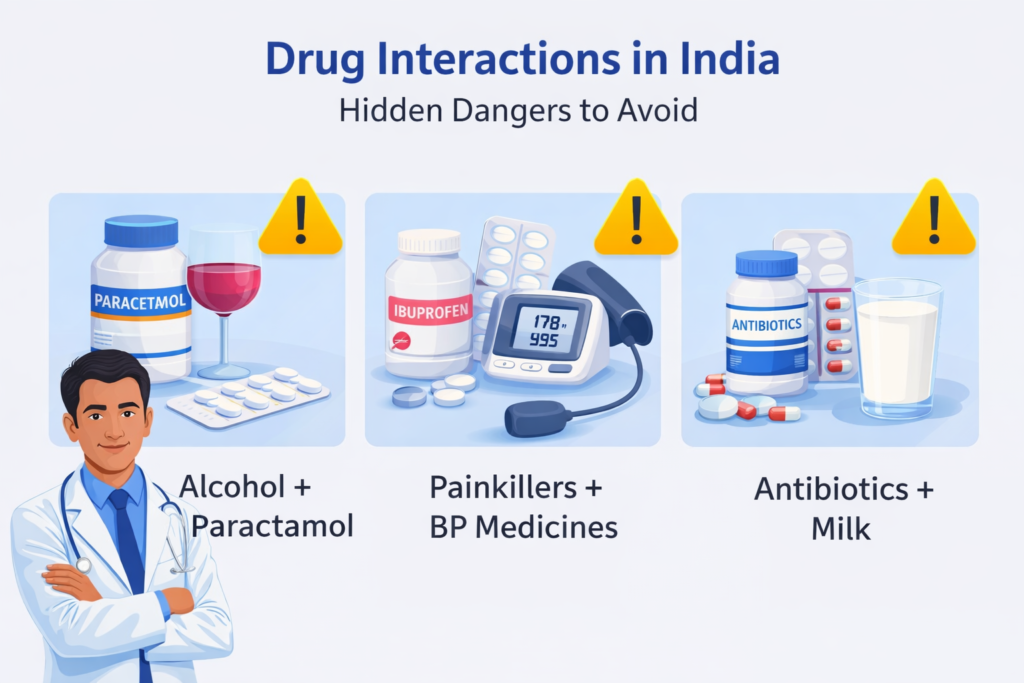
Alcohol + paracetamol is a dangerous mix for the liver.
Elderly Patients
Reduced liver reserve means higher risk even at normal doses.
People with Liver Problems
For them, “normal dose” may already be too much.
10.Healthier Alternatives to Daily Paracetamol
Lifestyle Fixes That Actually Work
- Sleep routine
- Hydration
- Stretching
- Screen breaks
- Stress management
Non-Drug Pain Management Options
- Physiotherapy
- Hot/cold therapy
- Mindfulness
- Proper nutrition
These don’t give instant relief — but they give lasting health.
11.The Emotional Truth About Pain and Pills
Pain isn’t weakness.
Needing rest isn’t failure.
Sometimes the bravest thing is not taking another pill — but listening to your body.
12.What Doctors Want You to Understand
Paracetamol is a tool, not a habit.
Used wisely, it helps.
Used daily without thought, it harms.
13.Final Verdict: Should You Take Paracetamol Daily?
Occasionally? Yes.
Daily, long-term, without guidance? No.
Your body deserves more than silence. It deserves care.
14.Cunclusion
The growing dependence on daily paracetamol is not just a medical issue—it is an emotional reflection of how modern life has taught us to ignore our bodies. We live in a rush, constantly silencing discomfort instead of understanding it. Paracetamol, when used responsibly, is a valuable medicine. But when taken daily without guidance, it becomes a quiet risk rather than a remedy. The danger lies in its silence: no immediate pain, no instant warning, just slow internal stress that often goes unnoticed until real damage is done. Pain is not an enemy; it is a message. It tells us to pause, correct, and care. Masking that message repeatedly can delay diagnosis, worsen underlying conditions, and harm vital organs—especially the liver. True health does not come from swallowing another pill but from listening to what the body is asking for. Choosing rest, lifestyle changes, and medical advice over habitual medication is an act of self-respect. Paracetamol should remain a short-term helper, not a daily companion. Awareness today can prevent regret tomorrow.
15.FAQs
1. Can I take paracetamol every day for headaches?
No. Daily headaches need diagnosis, not daily medication.
2. Is paracetamol safer than ibuprofen?
In some cases, yes — but long-term daily use is unsafe for both.
3. Does paracetamol damage the liver at normal doses?
Occasional use is safe. Daily or high doses increase risk.
4. Can I take paracetamol with alcohol?
Strongly discouraged. This combination increases liver toxicity.
5. What should I do if I need pain relief daily?
Consult a doctor. Find the cause. Treat the root, not just the symptom.
Thanks , You are doing Grate